Introduce yourself to people not familiar with your career so far please! Hey, I’m Lachlan. I make songs out of whatever’s going on in my life at the time. A lot of it ends up sounding electronic, glitchy, psychedelic, and probably a little too emotional, I’ve written many songs complaining about the people, I cared about, which is kind of funny because we’re friends now. I spend most of my time making music, working, and trying to make sense of life like everybody else. I’ve got some shows coming up, and an album called Paroxysm, and I’d love for people to come be part of it.
How would you describe your sound or artistic style to someone hearing you for the first time?
It’s electronic music at its core, but I draw from a lot of different places. There are pop melodies, glitchy production, bits of rock, of bits of rap, and a lot of sounds that probably shouldn’t work together but somehow do in a way. I think my music is very melody driven. Sometimes the songs can feel a little overwhelming because there’s a lot happening. I’ve been told people work out to it. I’ve also been told it sounds like a video game having a breakdown. Both are fair. It’s not music for every moment but there’s a lot of times to go there too.
When did you first realize you wanted to pursue music (or art) seriously?
Honestly, I don’t know if there was one moment.
I think I hadn’t lived enough to really do that really well until recently. I have now had so many wild, out-of-this-world, moments, I think that it gives me something important to share.
Who or what are your biggest influences, both musically and outside of music?
God is my biggest influence. I’m influenced by Burning Man, and Music Festival cultures.
How does your personal life or background shape your creative process?
I’ve learned that there’s no right or wrong way to approach music.
I wish people would have been more honest about what life is, so we know what we’re signing up for. Good things do in fact go wrong, to normal people who don’t deserve it. Amazingly, it does happen. Things you do not think will happen, are going happen to you, and they will rock your world, but you’ll get through it
Can you walk us through your creative process from idea to finished project?
Sometimes I start with a hook line or melody for the song and spread out from there.
Asphalt was like that. I had the hook mumbled out, and found words to fit it, kind of undressing the song the song that already knew what it wanted for itself. I felt like “wait we all know this song!”
I put things down when I’m not inspired, I don’t force too much, I wait around until something sparks my interest again. I’ll play through the parts and leave the bridge section or third verse parts until something comes that feels meant.What has been the biggest challenge you’ve faced so far as an emerging artist
Probably convincing people that it’s actually me singing.
I get that question constantly. Friends, strangers, people online. I don’t really know what to say other than yes, that’s my voice
What moment in your journey made you feel like this could really become something big?
Every now and then I’ll meet somebody and they’ll already know who I am before I introduce myself.
Sometimes a new friend I meet will type my name into their phone and it’s already been searched before. Little moments like that are strange.
How do you balance staying authentic while also thinking about growth and visibility?
I don’t think about it too much.
The goal has always been to make something honest. If people connect with it, that’s just like I yes, you feel it too, but if they don’t it’s ok maybe they’ll get it later.
What sets you apart from other artists coming up right now?
I’m a lot more personal I think and my voice is different from other artists. I’m also a very real normal person, I still work a 9 to 5, I am and think I do sound normal, because I am.
I’m also really good in bed.
Is there a song, project, or piece of work that feels especially personal to you? Why?
“Lithium” means a lot to me. “Snake” will always be special too because it was the first song I heard on the radio.
What have you learned about yourself since starting to share your work publicly?
Sometimes my friends get weird after I release music because of the statement it makes and I get that they take my music seriously haha
If you could collaborate with any artist right now, who would it be and why?
RAYE, because I have ears eyes and a brain.
Also wouldn’t pass on Brakence, Selena Gomez Vaeo, NBA Youngboy, Robyn Sienna Spiro.
They’re all way better than me but I would still love a chance to grow from working with them they inspire me.
What can listeners or viewers expect from your upcoming releases?
I’ve been finding my way back toward some of the more lo-fi R&B influences
How would you describe your sound or artistic style to someone hearing you for the first time?
Diverse and complex but always urban.
When did you first realize you wanted to pursue music (or art) seriously?
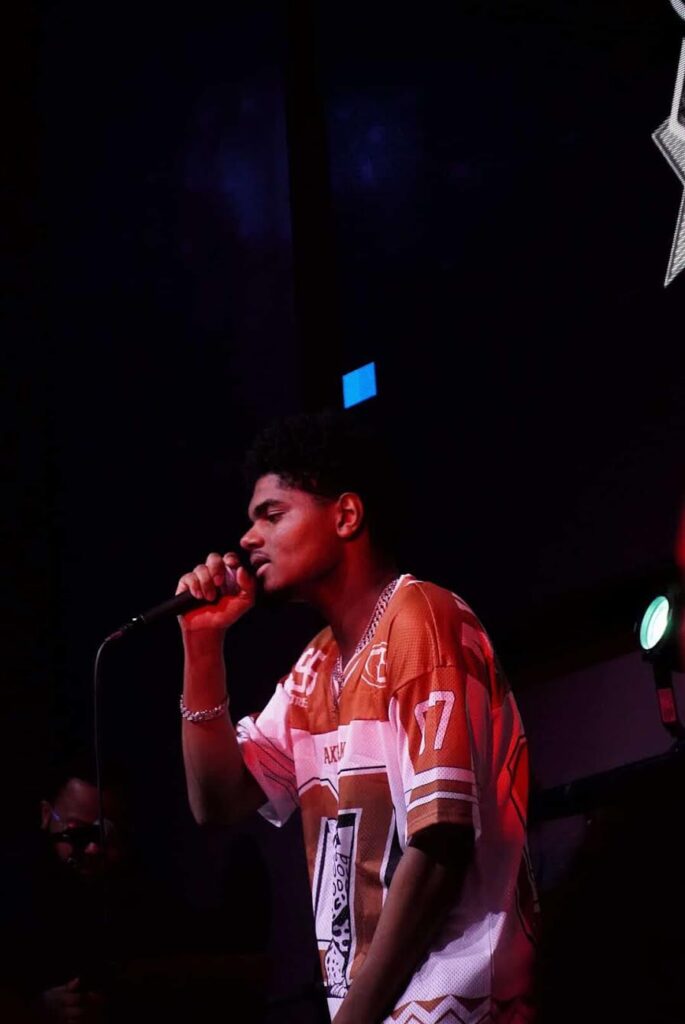
My whole life. I used to give myself interviews in the mirror since I gained consciousness and I would always be the kid they make dance at the family functions — up till now where I work in a studio part time and perform and have large audience music videos.
Who or what are your biggest influences, both musically and outside of music?
Bob Marley and I’d say St. Louis, my hometown, and the people that stay in the Lou.
How does your personal life or background shape your creative process?
If other people were put in my shoes they’d say I went through a lot, so I try to project that through emotions in my music and sound.
Can you walk us through your creative process from idea to finished project?
First I find a beat, then I just kind of bob my head and hum, find the rhythm, then I start to write my rhymes in patterns. Then I go in the booth and my producer punches me in — but on songs that I critique and take long with, I get in the booth and do one takes. That’s how St. Louis keeps things real raw and dirty, but I’m clean tho.
What has been the biggest challenge you’ve faced so far as an emerging artist?
Balancing my life, because music is still my escape. I still have people to provide for, have hardships, and work a job.
What moment in your journey made you feel like this could really become something big?
This past weekend I shot a music video and the party itself got a lot of buzz. Then the next day I performed in front of a small crowd of about 50–75 people but they were all really captivated. I know if I can do that I have the talent to back it up, so now I’m not stopping.
How do you balance staying authentic while also thinking about growth and visibility?
I pretty much got that in the bag because with time comes wisdom and that’s part of my music — so lyrically I’m always fresh. Sound wise, I make sure I’m always watching for something new, something I can put my own spin on.
What sets you apart from other artists coming up right now?
As a white rapper there’s a lot of acting and characters to be played, but I’m fully myself. There are very few St. Louis artists breaking through to the main scene right now, so as a voice and a city I’m already naturally bound to stick out in the crowd.
Is there a song, project, or piece of work that feels especially personal to you? Why?
My album that’s coming out called Evezee Presents Evezus. I took a 3 year break from music, so when I made this album I made sure everything was perfect and had its very own sound that still reflected STL culture.
What have you learned about yourself since starting to share your work publicly?
That what people think about me isn’t necessarily important, but to take it into consideration. And that life is meant to be fun, so try whatever.
If you could collaborate with any artist right now, who would it be and why?
If it had to be absolutely anybody I’d say Nelly, because it’s kind of an unspoken competition in my hometown. But truthfully, Fatmack — because he is the voice of the streets right now.
What can listeners or viewers expect from your upcoming releases?
A real big sound with heavy 808s, really amped stuff, as well as some good vibes and something hot to dance to for the summer — oh, and beats produced by yours truly.
Introduce yourself to people not familiar with your career so far please!
What’s good, I am Kay Roc Jay. Born and raised in New Orleans but living here in Baytown Texas, near Houston, I stay true to southern roots. I am an alternative hip hop and RNB artist blending raw southern storytelling with melodic grit. Drawing from my real life experiences and having a deep love for sound, I’m focused on sharpening my craft, expanding my range and mastering my art of songwriting and performing.
How would you describe your sound or artistic style to someone hearing you for the first time?
Hip hop is my first love and rock is my second. I listen to all genres of music and you will definitely hear that in my music. I don’t listen to many of today’s artists so that I am able to stay true to my own style.
When did you first realize you wanted to pursue music (or art) seriously?
My cousin, who is also an artist, came over to my apartment. She was coming up with cadences and lyrics to a beat she got. That lit a fire in me. I had melodies in my head as she was writing. I then took a poem I wrote and turned it into a song. Its now my first single called “pain”
Who or what are your biggest influences, both musically and outside of music?
My biggest influence all around has been my cousin, singer Jeabriie Rielle. She keeps pushing through with music with everything she’s been through. She is extremely humble and talented. Now back in the day and today, my music influences are very diverse. Lenny Kravitz, Queen Latifa, and of course Lil Wayne.
How does your personal life or background shape your creative process?
Being an older artist, I still vibe with boom bap and old school RnB. Watching and listening to recordings of Michael Jackson hum cadences , AFTER hearing the finished song, gave me an insight on how a song is created. Michael is my absolute favorite artist.
Can you walk us through your creative process from idea to finished project?
I have so many songs written, it’s ridiculous. Once I discovered this talent of writing, I was thirteen, I just picked a subject and just started writing. It is basically the same. There is a small difference, a beat is involved. So if I’m scrolling through beat stars or a producer sends me a beat, I almost immediately come up with a cadence, then a hook or bridge. I let the beat sway me to tell a story. I go over it over and over to see if I want to change anything or add background vocals. Then I head to the studio.
What has been the biggest challenge you’ve faced so far as an emerging artist?
Finding a balance of work, life and music. I want to start dating again. I feel like I don’t have time. I’m too busy working two jobs to be able to afford vocal lessons, outfits, studio time, and photoshoots.
What moment in your journey made you feel like this could really become something big?
When I achieved 52k streams. I realized not everyone will like my music but for every one person there will be 10 who will enjoy it. I had a realization that my music abilities are from God and this is my purpose because it comes so easily for me.
How do you balance staying authentic while also thinking about growth and visibility?
I feel when you are authentic the visibility will come then the growth. I’m definitely different from most female artists.
What themes or emotions do you find yourself returning to in your work?
Heartbreak and mental health. These are things that really affect people and it should be talked about.
What sets you apart from other artists coming up right now?
I’m trying to keep hip hop alive. Yes, there are artists out there who are doing it but almost every genre stems from our culture. Too many artists are watering it down. Gotta keep it true.
Is there a song, project, or piece of work that feels especially personal to you? Why?
Yes, It’s my first single “Pain”. It was hard to put that out into the world knowing this happened to me. It was an embarrassing situation. Because it was my first and coming out of sorts with my music career it’s dear to me.
What have you learned about yourself since starting to share your work publicly?
That my “weirdness” will actually take me further than I thought.
If you could collaborate with any artist right now, who would it be and why?
Scar Lip, she is so dope and is doing hip hop a favor.
What can listeners or viewers expect from your upcoming releases?
Right now I am working on a mixtape called “Karma’s Daughter”. It’s a mixture of hip and RnB but it’s also a story of my life and how I landed here as an artist. After the mixtape will be a rebrand.
How would you describe your sound or artistic style to someone hearing you for the first time?
I would describe it as chaos in the best way, no one singular sound, but multiple combined.
When did you first realize you wanted to pursue music (or art) seriously?
I realized when I dropped my song “chasing ghost” , it almost immediately jumped up to 5K. I started to think “maybe i can really make something out of this”
Who or what are your biggest influences, both musically and outside of music?
My biggest influences musically are ones people might not expect, i grew up listening to groups like slipknot and black sabbath , but also a lot of country music. Overall though, my biggest influence to my music would be the soundcloud era rap, Juice WRLD, lil peep, those guys really helped me to find my sound.
How does your personal life or background shape your creative process?
Life is the biggest influence on my music, circumstances , and events always show me exactly what i need for that next release.
Can you walk us through your creative process from idea to finished project?
It usually goes something like this , A song comes to me when i least expect it, i find a beat and find a flow, i then start to find the words and it all starts to flow.
What has been the biggest challenge you’ve faced so far as an emerging artist?
I would say self promoting or dealing with mental blocks every now and then. being self managed its hard to stay on top of promo while still creating.
What moment in your journey made you feel like this could really become something big?
The secong gig i ever did, i performed my song HAN SOLO and had complete control of the croud. It was awesome
How do you balance staying authentic while also thinking about growth and visibility?
I believe if i stay true to myself , the audience will find me.
What sets you apart from other artists coming up right now?
I believe im more diverse than most artist
Is there a song, project, or piece of work that feels especially personal to you? Why?
My song slam the door is my most personal song. Not only was it my best vocal performance , it was the most raw emotioned id ever put in a song. For that reason, it is the most special song to me.
What have you learned about yourself since starting to share your work publicly?
I have learned i can be very versatile , and i will stop at nothing to make my goals happen.
If you could collaborate with any artist right now, who would it be and why?
I would collab with slayr or 2slimey, i feel like our sounds would work great together.
What can listeners or viewers expect from your upcoming releases?
How would you describe your sound or artistic style to someone hearing you for the first time?
My sound is distinctive & upbringing it wouldn’t matter on any topic I speak about for anyone that listens to my music they will instantly fall in love with it something that will never be forgotten
When did you first realize you wanted to pursue music (or art) seriously?
I never had no passion for music until the moment i went through a lot of personal experiences that nobody could understand how i felt like feeling unworthy & alone, music became my therapy when i used to listen to vulnerable artists then that made me want to start making music and speak on my own life that people can relate to.
Who or what are your biggest influences, both musically and outside of music?
So one of my biggest influences that came to me from the very start would be a couple melodic artists like Rod Wave, Polo G & Juice Wrld when they speak on their life, Speaker Knockerz who was the first melodic artist i heard back in 2014 and for R&B artists i would say Neo Soul, Bryson Tiller, Tory Lanez & The Weeknd. Growing up in Wyandanch, New York based in Long Island around the streets i used to be around a lot of artists and all different types of music like Dancehall, R&B, Hip Hop and more i could also say i got influence from some people i knew who were rapping it made me thought it was fun at first but now I take it seriously
How does your personal life or background shape your creative process?
Whenever i make a song, it would have to do with on how im feeling or reminiscing about the personal struggles i went through & love in general
Can you walk us through your creative process from idea to finished project?
Usually i write whatever comes in mind that can fit the vibe of a beat, i would harmonize how i want to start off something smooth all just by the type of music i like to make & then i record it, add the adlibs listen to it a couple times then im done
What has been the biggest challenge you’ve faced so far as an emerging artist?
The biggest challenge I faced as an emerging artist is how when some people see potential in you they try to make a brand off of you like use you or you will face people that are secretly jealous and want to be in competition with you rather than show genuine love.
What moment in your journey made you feel like this could really become something big?
When i opened up for Cash Cobain, Lil Tjay & Fivio Foreign a few years ago being in front of a lot of people watching and recording you, it felt like the right moment im really starting to pop off and how alot of people I don’t know show so much love and wanted to get my socials and wanted me to perform at more venues it felt like i was doing something right.
How do you balance staying authentic while also thinking about growth and visibility?
Just remember who you are as a person it’s simple. Be yourself, don’t let anyone tell you difference. Take it day by day and from there you will grow as long as you are committed to what you want to achieve
What themes or emotions do you find yourself returning to in your work?
I would say courage, vulnerability, healing & growth easily noticed by others
What sets you apart from other artists coming up right now?
As an artist it would just come off from never being to afraid to speak up and express myself in ways no one really could ever want to speak up on for example Life Story, Love, Heartbreak & Personal doubt
Is there a song, project, or piece of work that feels especially personal to you?
Why?
I learned that im able to market myself out there with confidence then I ever had before and if some people don’t like my music, I learn to accept it and keep pushing
If you could collaborate with any artist right now, who would it be and why?
I have a couple on the list but it will come off with what I said from the start like other artist influences I start to easily connect and relate to. I would say Bryson Tiller because we would both make something that people won’t ever forget about. I would say Breez Kennedy because we both have our own stories, creativity thoughts and processes. I would also collab with The Weeknd since alot of people are telling me that I sound like him and that I remind them of The Weeknd a lot and for how he speaks on love & how he feels
What can listeners or viewers expect from your upcoming releases?
Expect more new music to drop every other week, including an EP as well.
How would you describe your sound or artistic style to someone hearing you for the first time?
I’d describe my sound as an upbeat Southern trap style high energy, catchy, and real. It’s something you can vibe to but also feel at the same time.
When did you first realize you wanted to pursue music (or art) seriously?
I started writing music when I was 12, but I really locked in and took it seriously at 15.
Who or what are your biggest influences, both musically and outside of music?
Growing up, I listened to Beyoncé, Cardi B, Gucci Mane, Young dolph. They all inspired me to create my own music and develop my own sound.
Outside of music, my biggest influence is my father. He used to rap before I was even old enough to remember, but hearing about it and seeing the impact it had on him gave me the motivation and foundation to start my own journey in music.
How does your personal life or background shape your creative process?
I was born and raised in Charlotte,NC and later moved to Dallas,TX. Growing up, I was always around different genres of music, and my dad introduced me to rap at a young age. That really stuck with me. My life experiences in both NC and TX shape what I talk about and how I express myself.
Can you walk us through your creative process from idea to finished project?
It usually starts with a beat sometimes a freestyle type beat. I catch a vibe, start writing lyrics, and build from there. Once I’ve got something solid, I record in a professional studio, then work on perfecting the sound until it’s ready to drop. I have a small in home studio but I’m not experienced in mixing and mastering so I prefer to record in a professional studio.
What has been the biggest challenge you’ve faced so far as an emerging artist?
One of the biggest challenges is staying consistent and building visibility while still finding your own lane. It takes time, patience, and a lot of dedication.
What moment in your journey made you feel like this could really become something big?
When I started taking music seriously and when I attended the Roc Nation Summer Academy. The Academy gave me a deeper love for rapping and showed me that anything is possible.
How do you balance staying authentic while also thinking about growth and visibility?
I focus on staying true to myself and my story above everything. Growth comes naturally through consistency and continuously putting myself out there.
What sets you apart from other artists coming up right now?
My energy and my perspective. I bring that upbeat Southern trap vibe, but it’s also rooted in my real experiences and how I see the world.
Is there a song, project, or piece of work that feels especially personal to you? Why?
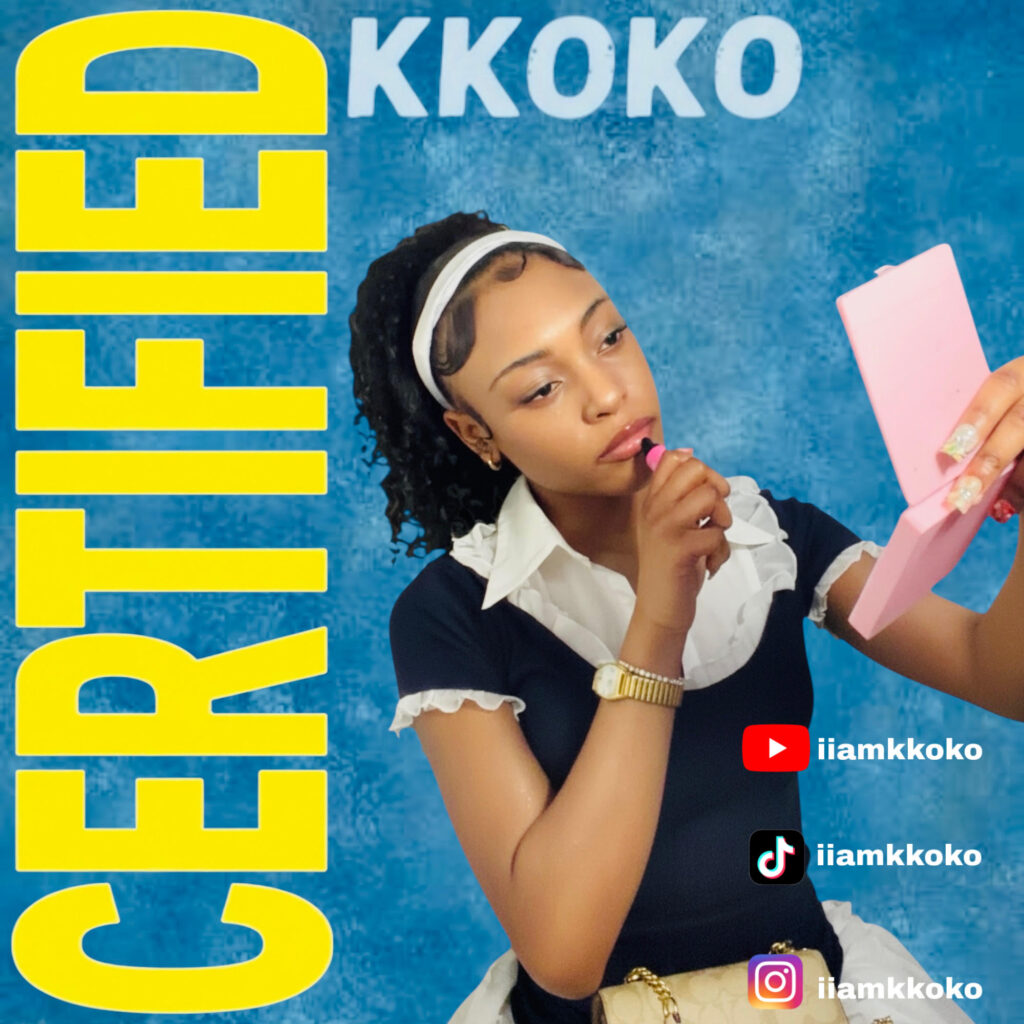
“Certified” is definitely a personal one for me. It represents where I’m at right now and the work I’ve been putting in.
What have you learned about yourself since starting to share your work publicly?
I’ve learned that I’m more dedicated than I realized. Putting your work out there takes confidence, and it’s helped me grow as both an artist and a person.
If you could collaborate with any artist right now, who would it be and why?
I’m open to working with everyone because I believe every collaboration brings something different. But if I had to choose, I’d say Cardi B Her hit album “Invasion of Privacy” really showed her versatility and impact, and I respect how authentic she is. Her personality and confidence shine through in everything she does, and that’s something I connect with as an artist.
What can listeners or viewers expect from your upcoming releases?
They can expect my upcoming “Certified” EP, which will feature three songs. It’s going to bring different vibes but that same energy, growth, and realness just on another level.
1. How would you describe your sound or artistic style to someone hearing you for the first time?
I usually tell people: don’t come in looking for a lane. My sound isn’t one thing, and that’s not an accident. On any given day, I might be in a studio working on something soulful and R&B-driven, then turn around and write something rooted in worship, then step into a spoken word space. What ties it together isn’t genre — it’s intention. I write music that tries to meet people where they actually are. Not where we think they should be. Not where it’s convenient. Where they are. The production is always polished, the vocals are layered with care, and the writing is specific enough to feel personal even when it isn’t your story. That’s the thread. If you’re coming to me expecting one sound, you’ll probably be surprised. And I think that’s okay.
2. When did you first realize you wanted to pursue music seriously?
I’m not sure there was one moment. Music was never separate from life — it was just always there. I started singing in choir around five or six, and by seven I was playing saxophone. I grew up competing in all-city and statewide band competitions in high school, singing in invite-only selective choirs. My father performed with Kool & The Gang. My aunt was a member of The Monitors on Motown Records. My grandmother was a published poet. So in a lot of ways, the question was never really if — it was more about when. Even when I went on a full scholarship to study Chemical Engineering, music was still finding me. The discipline of that program actually made me a better writer, strangely enough. The focus it required carried over. After I moved to Nashville for engineering, the pull of the music community here was too strong to ignore. And at some point, I decided to lean all the way in and start building.
3. Who or what are your biggest influences, both musically and outside of music?
Musically, I grew up in a household where R&B, gospel, classical and everything in between weren’t separate categories — they were just what was playing. My mother would put on classical music because it was nostalgic for her; her grandmother was a classically trained pianist. So the range was always present, always normal. The artists I gravitate toward are ones who know how to make you feel something specific, not just something general. Outside of music, my biggest influences are the people I come from. My grandmother’s way with language as a published poet showed me early that words have weight, that the right phrase in the right order can stay with someone for decades. My family’s history in music gave me a reference point for what it looks like to take artistry seriously as a craft, not just a passion. And my faith has shaped how I think about purpose in the work. What is this song for? Who does it serve? Those aren’t industry questions. They’re personal ones.
4. How does your personal life or background shape your creative process?
Almost everything I’ve lived informs what I write. The Chemical Engineering background is real, and it shows up in how I approach a song: structurally, systematically. I don’t just wait for inspiration to arrive. I work toward it, build toward it, and then I let creativity take over once the framework is in place. Growing up in ministry, being a preacher’s kid, watching faith show up across five generations of my family’s story — that shapes the way I think about why music matters. It’s not just entertainment. It’s service. And Nashville specifically has given me a community of collaborators who push me. I’ve been in rooms with people doing serious work, and that raises the standard for what I’m willing to put out.
5. Can you walk us through your creative process from idea to finished project?
A song idea can come from anything: a feeling, a truth I keep circling back to, a concept that won’t leave me alone. From there, I typically start with the melody that best serves that idea. As the writer and creative director on my projects, I want to bring something of substance to the producers and vocal collaborators I work with. I try to give as clear a picture as I can, even if it’s just the vibe or the emotional core of the track, so the sonic identity actually fits what the song needs to say. The back-and-forth in that process matters. And then when it comes to the vocal performance, if it’s my project, I want to make sure it lands the way the song deserves. Lastly, every person who touches a project gets acknowledged. That’s not a formality. That’s accountability.
6. What has been the biggest challenge you’ve faced so far as an emerging artist?
Being multi-genre in a world that wants to sort you quickly. The industry, and sometimes the audience, is more comfortable when you fit a clear category. And for a long time, I think I let that pressure shape how I presented myself, leaning into one lane more than others just because it felt like the safer read. What I’ve had to work through is trusting that the breadth is the point. That the range isn’t a liability. It’s the most honest thing about what I do. The challenge isn’t really external. It’s internal. Deciding, every day, to resist the pressure to shrink the work down to something more digestible.
7. What moment in your journey made you feel like this could really become something big?
There have been a few. But the ones that stay with me aren’t the big-stage moments. It’s the quieter ones. Someone telling me they put a song on during their hard days, when they just needed to be reminded that it won’t always be like this. A little kid singing one of my songs back to me when they recognized me. Those regular moments that most people wouldn’t think to count. Nobody’s writing think-pieces about them. But something in me recognized them immediately as the reason. That’s different from applause. Applause tells you that you performed well. When someone tells you a song met them in a place they didn’t even know they needed to be met, that’s when you understand what this is actually for.
8. How do you balance staying authentic while also thinking about growth and visibility?
I think about it less as a balance and more as a filter. I want all of me to be able to step into a room. And the only way to do that is to be authentic. People feel what’s real. When you’re not actually being yourself, they feel it too, even if they can’t name it. Something reads as off. So when I’m making decisions about what to release, how to present it, who to work with, I keep coming back to the same question: does this actually reflect who I am and what the music is trying to do? If yes, it probably serves both goals at once. If not, whatever visibility it might bring isn’t worth what it costs. I’ve watched artists build audiences on versions of themselves they can’t sustain. I’d rather grow slower and build something that holds.
9. What themes or emotions do you find yourself returning to in your work?
Confidence. Not the performed kind, the kind you have to discover. There’s something I keep writing around: the space between where someone is and where they know they’re supposed to be, and what it actually takes to close that gap. That shows up differently depending on the genre. In an R&B song it might sound like ownership and self-assurance. In a worship song it might sound like surrender and trust. In spoken word it might sound like grief or reckoning. But the root question is usually the same: what does it take to step fully into who you are?
10. What sets you apart from other artists coming up right now?
There are so many ways people are being creative and giving excellence to their music right now. What I bring is a different kind of precision. The engineering background isn’t just a talking point; it literally shapes how I think about song construction, about building systems that can sustain a music career, about what a song needs to accomplish. And I pair that with a genuine heart toward service: the song isn’t about me, it’s about what it does for the person receiving it. But here’s what might surprise people: when I step inside the studio, I try to shed all of that. The engineering, the songwriting background, the worship leading, the analytical mind — I try to set it down and show up as my most vulnerable self. To let the sound that’s in me bleed onto the song, so the emotion is felt, not just how technically capable my voice is. The craft gets you in the room. The vulnerability is what makes the song stay.
11. Is there a song, project, or piece of work that feels especially personal to you? Why?
“Give It To Em” is personal in a specific way. It’s an R&B record, confident in tone, but what it’s really about is the moment you stop waiting for permission to take up space. I’ve spent time in this industry being careful, being measured, wondering how much of myself was appropriate to bring into a given room. This song is the answer to all of that: give it to em. All of it. The range, the depth, the complexity, the confidence. Every part of it. It took real work to get to a place where that felt true rather than just declared, and I think people can hear the difference. So for anyone who feels like “Give It To Em” is their anthem… me too. Me too.
12. What have you learned about yourself since starting to share your work publicly?
That I’m more comfortable with the work than I am with the visibility. Making music is private, even when it’s meant to be shared. The moment it goes out into the world, it starts having conversations you’re not in the room for. Learning to let that happen without needing to correct every interpretation has been the real education. I’ve also learned to balance instincts with timing. Early on I second-guessed a lot of creative decisions. The more I’ve worked, the more I’ve learned that the instinct is usually right, but knowing when and how to execute it is its own skill. You can have the right idea and force it down the wrong path and it won’t look like a right idea anymore. It’ll just look like a mistake. So now the work is learning to trust the instinct while also giving it room to find its proper moment.
13. If you could collaborate with any artist right now, who would it be and why?
It genuinely depends on the track. I’m a music nerd, and I listen across everything: Jazmine Sullivan, Jonathan McReynolds, KB, Kirby… there are artists in every space I’m working in who I’d love to be in a room with. Picking one is like walking into a candy shop and being told you can only leave with one piece. I don’t think I can do it.
14. What can listeners or viewers expect from your upcoming releases?
More range. More specificity. I’ve been intentional about building a catalog that doesn’t sound like one thing, not because I’m trying to prove something, but because that’s honestly what’s in me. What’s coming reflects all of it: the R&B, the depth, the production, the craft. What you can expect is music that’s been made with real attention to sound, to feeling, to what it actually does for the person listening. That’s the standard I hold. It hasn’t changed.
I’m Liam Pilmore, a solo artist from Nottingham, England, making honest, melodic songs that stick with you.
How would you describe your sound or artistic style to someone hearing you for the first time? Folk pop, full stop… though that doesn’t give much away, does it? Haha. I’d say it’s melodic, acoustic-led music with a pop heart — like dipping an acoustic guitar in a jar of vegan Nutella.
When did you first realize you wanted to pursue music seriously? Honestly, only last year, at the start of 2025. I’ve played music for years, but the artist side of it still feels young to me. I never really took it seriously until now, and I guess everything I’ve done has led me to this point.
Who or what are your biggest influences, both musically and outside of music? Musically, I’m fascinated by songwriting and what actually makes a song memorable. At heart, I’m pop all the way. Outside of music, I’d say films and TV. They help me switch off, but I also pull a lot from the themes, emotion, and storytelling.
How does your personal life or background shape your creative process? My music is my life, really. Without life experience, I don’t have a song. It usually starts with a memory, an experience, or a feeling, and then the rest unfolds from there.
Can you walk us through your creative process from idea to finished project? I usually start with words, often before anything else. I tend to write with rhythm in mind, so I’m already thinking about syllables and flow. Once I find some chords I like, it becomes a case of shaping the words to fit the melody.
You’ve got to be willing to edit, cut, and start over. A lot of the sound comes from the theme in the song, and from there I keep building until everything feels right.
What has been the biggest challenge you’ve faced so far as an emerging artist? Probably collaboration. I love working with other people, but it’s not always easy to find people who are as driven and enthusiastic as I am. I’ve definitely had a few disappointments there.
What moment in your journey made you feel like this could really become something big? I’ve had old friends reach out and tell me how much they’re enjoying the music, which has meant a lot. A lot of people have really connected with my latest single Light, and when people take the time to reach out like that, it tells me I’m on the right track.
How do you balance staying authentic while also thinking about growth and visibility? I think the key is not chasing something just because it might get attention. Growth matters, of course, but the music has to feel real to me first. If I believe in it, I can stand behind it. After that, it’s about finding the best way to get it in front of people.
What themes or emotions do you find yourself returning to in your work? Nothing wildly revolutionary — I’d say love, relationships, pain, joy, disappointment, and optimism. I’m fascinated by that push and pull, that yin and yang. A lot of my songs come from very personal stories, whether that’s romantic relationships or family relationships.
What sets you apart from other artists coming up right now? There are so many great artists out there, and everyone has their own thing. I think what stands out in my music is that it’s relatable and easy to connect with. People can see their own stories in it. I’m not trying too hard to be obscure or strange — it’s simplicity at its core.
Is there a song, project, or piece of work that feels especially personal to you? Why? My latest single Light means a lot to me because it set the benchmark for my sound. It’s the first time I’ve really felt comfortable in what I’m doing, and it’s given me a lot of confidence. Most importantly, it sparked my joy for music again.
What have you learned about yourself since starting to share your work publicly? That I’m not perfect, but I’m close. Haha. Nah, really I’ve learned that backing yourself is a huge part of it. You have to be willing to put your work out there and let it speak, while still listening, learning, and staying open.
If you could collaborate with any artist right now, who would it be and why? I’ll stay humble and say I’m open to collaborating with anyone. But, you know… cough Ed Sheeran cough. He’s a huge inspiration, and I’d love to see how he works up close.
What can listeners or viewers expect from your upcoming releases? More melody! Sweet, sweet melodies. I want people to feel something, but I also want the songs to stay simple, memorable, and real.
Hi, my name is Lizzie and I’m a pop artist but I also like to tap into cinematic, theatrical, rock and R&B sounds for my music. I’ve released several singles and a whole album titled Chrysalis in 2024. I’ve performed a lot, including on national television in Italy (where I’m from).
How would you describe your sound or artistic style to someone hearing you for the first time?
I’d describe my sound as cinematic and emotional, somewhere between dark pop and musical theater but with nods to rock, soul and R&B. It’s very visual, almost like stepping into a scene or a story rather than just listening to a song. There’s something dreamy and dramatic about it, like a fairytale with a bit of darkness underneath. I want people to feel like they’re not just hearing the music, but actually experiencing it.
When did you first realize you wanted to pursue music (or art) seriously?
It’s always been there. I guess I’ve just realized there was no other option for me. I know that my happiness lies in making music.
Who or what are your biggest influences, both musically and outside of music?
A lot of my inspiration comes from musical theater, films, and soundtracks. I’ve always been drawn to storytelling and atmosphere. Outside of music, books and visuals influence me a lot too. I’m an escapist by nature and I guess it reflects in my music. I paint a scene to detach myself from the emotions it brought me, the pleasant and the unpleasant ones, but I find myself also creating scenes to lose myself into and maybe help the listener do the same too.
How does your personal life or background shape your creative process?
My personal life is where I draw my inspiration from. I don’t do well with feelings. I write songs when they become too much. When the numbness wants to be something, when the pain wants to be heard, when the happiness wants to be seen, when rage is tired of staying in the shadows. It’s almost like I don’t write songs, but my emotions do that for me. Sometimes I’ll finish a song and barely remember how I got there. The passion takes over and gives birth to something new.
Can you walk us through your creative process from idea to finished project?
It’s honestly a mix of chaos and intention. Sometimes an idea just appears out of nowhere, a melody, a lyric, a feeling, and I follow it. Other times I sit down with a clear vision and build from that. But even when it’s planned, there’s always a moment where it takes on a life of its own.
What has been the biggest challenge you’ve faced so far as an emerging artist?
Learning how to navigate everything on my own. Being independent means you’re not just creating: you’re also figuring out strategy, visibility, and how to get your work in front of people. That can be overwhelming at times. And by the way, since promoting is by now part of the gig, my album Chrysalis is out everywhere, I even have limited edition CDs available on Bandcamp! (link below)
What moment in your journey made you feel like this could really become something big?
Performing at Hotel Cafè in Hollywood (LA) for the first time. I felt like I found my home on the stage and my friends in the audience, even though I barely knew anybody. I performed two of my original songs (Not Yours and Chrysalis), and for the first time I was able to fully tap back into the emotions that made me write them. In a way, I understood those songs more in that moment than I ever had before.
How do you balance staying authentic while also thinking about growth and visibility?
Authenticity always comes first for me. I don’t try to force something that doesn’t feel right creatively. I think growth happens more naturally when what you’re putting out is honest, so I focus on that and let the rest build around it.
What themes or emotions do you find yourself returning to in your work?
I often come back to themes like chasing dreams, storytelling, and what it means to be human. There’s also a strong sense of identity and empowerment in my work, especially from a feminine perspective.
What sets you apart from other artists coming up right now?
I think what my sound is evolving to. Considering that I’m now producing, writing and performing my songs, the sound is 100% me, and it’s evolving into something I can only explain as dark pop cinematic very much inspired by musical theater. I strike to tell a story and make you feel like you’re actually living it.
Is there a song, project, or piece of work that feels especially personal to you? Why?
My first album, released in 2024, is very special to me. It’s the first round-up of original songs that I wrote ranging from thirteen to eighteen years old. Tracks like Chrysalis and Not Yours stand out to me, they both explore growth although from different point of views. Chrysalis is about growing up on a personal level, while Not Yours reflects a deeper awareness of the world and its realities, especially from a female perspective
What have you learned about yourself since starting to share your work publicly?
I’m better than I thought. I still struggle with low-self esteem to this day. Seeing people who barely know me hype me up and complimenting my skills has been helping me change the vision that I have of myself for the better.
If you could collaborate with any artist right now, who would it be and why?
Raye. I really resonate with her storytelling and almost movie soundtrack choices in her music. The raw emotion she brings to the stage is a true inspiration.
What can listeners or viewers expect from your upcoming releases?
A shift. It’s still me, but more grounded, more confident, more real. The vision is shifting and it’s planting its roots, shifting the sound into more cohesive, more story based, more cinematic, more raw.
Introduction: My name is Betty Ke, and I’m an independent singer-songwriter originally from Taiwan and now based in Los Angeles. I create Indie Pop music that blends Western and Eastern influences, with a warm, mellow vocal style and a strong focus on emotional storytelling. Alongside my work as an artist, I also have experience in independent music production, album planning, event management, music publishing, and digital distribution. That combination has shaped me into someone who cares deeply about both the artistic and practical sides of building a lasting music career. At the heart of everything I do is the hope that my music can create connection, reflection, and a sense of shared self-discovery.
Q&A
How would you describe your sound or artistic style to someone hearing you for the first time? I’d describe my sound as warm, intimate, and emotionally reflective Indie Pop. My music often lives in a soft but cinematic space, where mellow vocals meet honest lyrics and subtle, textured production. Because of my background, there’s naturally a blend of Eastern and Western influence in the way I approach melody, feeling, and atmosphere.
When did you first realize you wanted to pursue music (or art) seriously? I realized I wanted to pursue music seriously when I understood that songwriting was more than just something I enjoyed — it was the most honest way I could express myself and connect with other people. The more I wrote and created, the clearer it became that music was not just a passion, but something I wanted to build my life around.
Who or what are your biggest influences, both musically and outside of music? Musically, I’m most drawn to artists who create emotional intimacy and strong sonic worlds through storytelling, restraint, and atmosphere. Outside of music, I’m deeply influenced by film, memory, relationships, cultural identity, and the quiet emotional details of everyday life. A lot of my inspiration comes from moments that seem small on the surface but stay with you for a long time.
How does your personal life or background shape your creative process? Being originally from Taiwan and now living in Los Angeles shapes my perspective in a major way. I think a lot about distance, belonging, identity, and emotional translation between cultures, spaces, and experiences. That in-between feeling often finds its way into my music and gives it its emotional core.
Can you walk us through your creative process from idea to finished project? It usually starts with a feeling I can’t ignore, a lyric line, or a melody that keeps repeating in my head. From there, I begin building around that emotion — often with chords, voice notes, or simple production ideas. Once I have the emotional direction, I focus on shaping the world of the song through arrangement, texture, and detail. I spend a lot of time making sure the lyrics, vocal delivery, and production all support the same emotional story.
What has been the biggest challenge you’ve faced so far as an emerging artist? One of the biggest challenges has been balancing creativity with the many practical responsibilities that come with being an independent artist. You’re not only making the music, but also planning releases, managing communication, building visibility, and staying emotionally grounded through it all. Learning how to keep my creative voice protected while continuing to grow professionally has been a big lesson. What moment in your journey made you feel like this could really become something big? The moments that made it feel real were the ones where people connected personally with my music — when someone told me a song made them feel seen, understood, or less alone. That kind of response reminded me that music can travel far beyond its starting point, and that something deeply personal can become meaningful to others in a much bigger way.
How do you balance staying authentic while also thinking about growth and visibility? For me, growth should amplify who you already are, not replace it. I’m always thinking about how to reach more people and build momentum, but I never want that to come at the cost of honesty. I believe the most sustainable kind of growth comes from being genuine and creating work that truly reflects who you are.
What themes or emotions do you find yourself returning to in your work? I often return to themes like longing, memory, identity, tenderness, emotional distance, and quiet resilience. I’m especially interested in the feelings that don’t always announce themselves loudly — the ones that linger, evolve, and shape us over time.
What sets you apart from other artists coming up right now? I think what sets me apart is the combination of my artistic voice and my understanding of the industry from multiple angles. I approach music not only as a songwriter and performer, but also with experience in production, planning, publishing, and distribution. Creatively, I also bring a cross-cultural perspective that influences both my sound and the stories I choose to tell.
Is there a song, project, or piece of work that feels especially personal to you? Why? “Just Keep Holding On” is a heartfelt indie pop single about finding light in the midst of darkness. Like dust floating in sunlight that filters through the forest, it reminds listeners that even the hardest moments can reveal quiet beauty when seen from a new perspective.
When you feel alone, lost, or on the verge of giving up, this song becomes a gentle whisper — keep holding on, the light will appear.
This project holds special meaning for Betty Ke, a bilingual indie pop singer-songwriter originally from Taiwan and now based in Los Angeles. Known for blending Eastern sensitivity with Western pop aesthetics, Betty creates music that bridges cultures and emotions through honest storytelling and ethereal soundscapes.
“Just Keep Holding On” is her first single produced in the United States and her first international collaboration, symbolizing a new chapter in her artistic journey. Through this project, she experienced firsthand the power of music to transcend language and connect hearts across cultures.
Ultimately, “Just Keep Holding On” is not just a song, but a journey of perseverance, hope, and transformation — a promise that Betty’s voice will stay with you through the night, until the morning comes. What have you learned about yourself since starting to share your work publicly? I’ve learned that vulnerability takes courage, but it also creates the strongest connection. Sharing my work publicly has taught me to trust my instincts more, to be patient with my growth, and to understand that the parts of myself I’m most hesitant to reveal are often the ones people connect with most deeply.
If you could collaborate with any artist right now, who would it be and why? I would love to collaborate with 9m88. Both of us have studied in the U.S., and our backgrounds are quite similar. I admire her unique sound and artistic vision. I hope to exchange ideas and learn from her, as well as work together to shape a new musical style. By blending our experiences in Mandarin music with everything we’ve learned in the West, we could create something truly innovative and fresh. I believe that our collaboration could result in a unique sound that resonates with a diverse audience while honoring our cultural roots.
What can listeners or viewers expect from your upcoming releases? Listeners can expect music that feels even more honest, textured, and emotionally layered. I’m continuing to explore the space between intimacy and atmosphere, while pushing my storytelling and sound in a way that feels more fully realized. The upcoming releases will still feel true to my core, but with even more depth, clarity, and confidence.